Sleep opportunity
Consider timing, interruptions, heat, noise, and the difference between time in bed and actual rest.
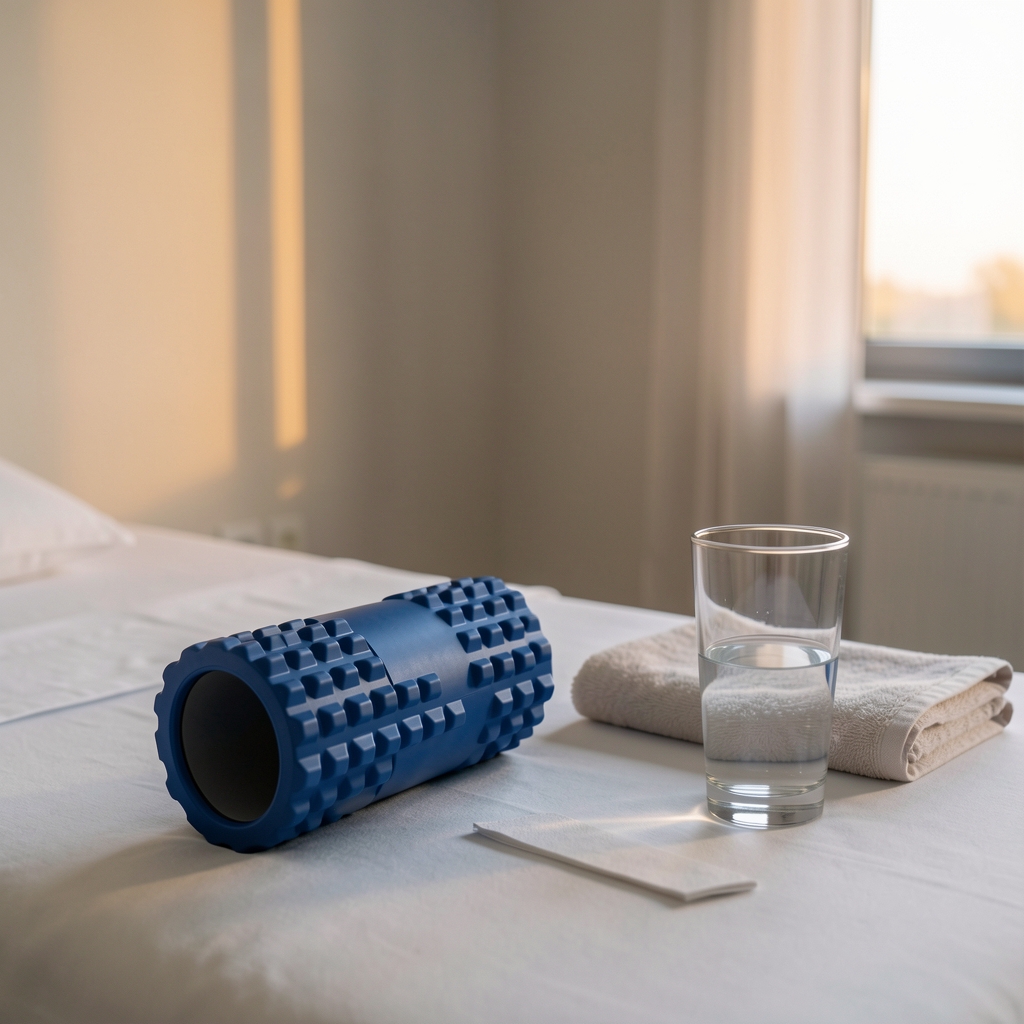
RECOVERY
Recovery is not a blank space between meaningful sessions. It is the context in which a person sleeps, eats, moves, works, travels, and decides what the next session should be.
There is no single recovery experience. A quiet day after a race is different from a busy workday after ordinary training, and both can be different again in Jakarta’s heat. The useful question is not whether a routine looks impressive, but whether it creates enough space for the next decision.
Consider timing, interruptions, heat, noise, and the difference between time in bed and actual rest.
Walking or gentle mobility can maintain a relationship with movement without adding another demanding session.
Meetings, travel, family care, and deadlines are part of the week’s total context.
| Context | What may be useful | What to avoid |
|---|---|---|
| After a demanding session | Sleep opportunity and a simple next day | Adding intensity to compensate |
| During travel | Short walks, hydration routine, and flexible timing | Comparing every day with home conditions |
| Busy work period | Reduce complexity and protect one priority | Calling missed training a failure |
| Warm, humid week | Shade, breaks, and conservative effort | Ignoring a changing internal response |
Recovery planning works when it is specific enough to be acted on. “Rest more” may be less useful than “remove the optional hard session, prepare tomorrow’s route, and create an earlier evening.” Small decisions accumulate.
“Recovery is not an interruption to the plan; it is the part that tells you how to read the plan.”
Solace does not assess individual health through its articles. For editorial questions, contact Jalan Cempaka Putih Raya No. 15, RT.8/RW.5, Cempaka Putih Barat, Kota Jakarta Pusat, Daerah Khusus Ibukota Jakarta 10520, Indonesia, or +62 21 726 1835.
A calm review often begins with one practical change: a shorter route, an easier session, a prepared meal, an earlier bedtime, or a conversation with someone qualified to help interpret a persistent concern.