

Laboratory Edition 2026

Endurance Architecture & Human Biomechanics

Solace decodes the physiological mechanics of sustained cardiovascular output, mitochondrial vitality, and neurological recovery for high-performing athletes.

Endurance athlete training at dawn
Metric Benchmark
84.2%
Zone 2 Aerobic Foundation

Optimal target volume spent below the first lactate turnpoint, maximizing mitochondrial fatty acid oxidation without central nervous exhaustion.

Load Optimization
0.85 – 1.15
Acute:Chronic Workload Ratio

The mathematical equilibrium where neuromuscular adaptation surges while musculoskeletal strain risk diminishes to near zero.

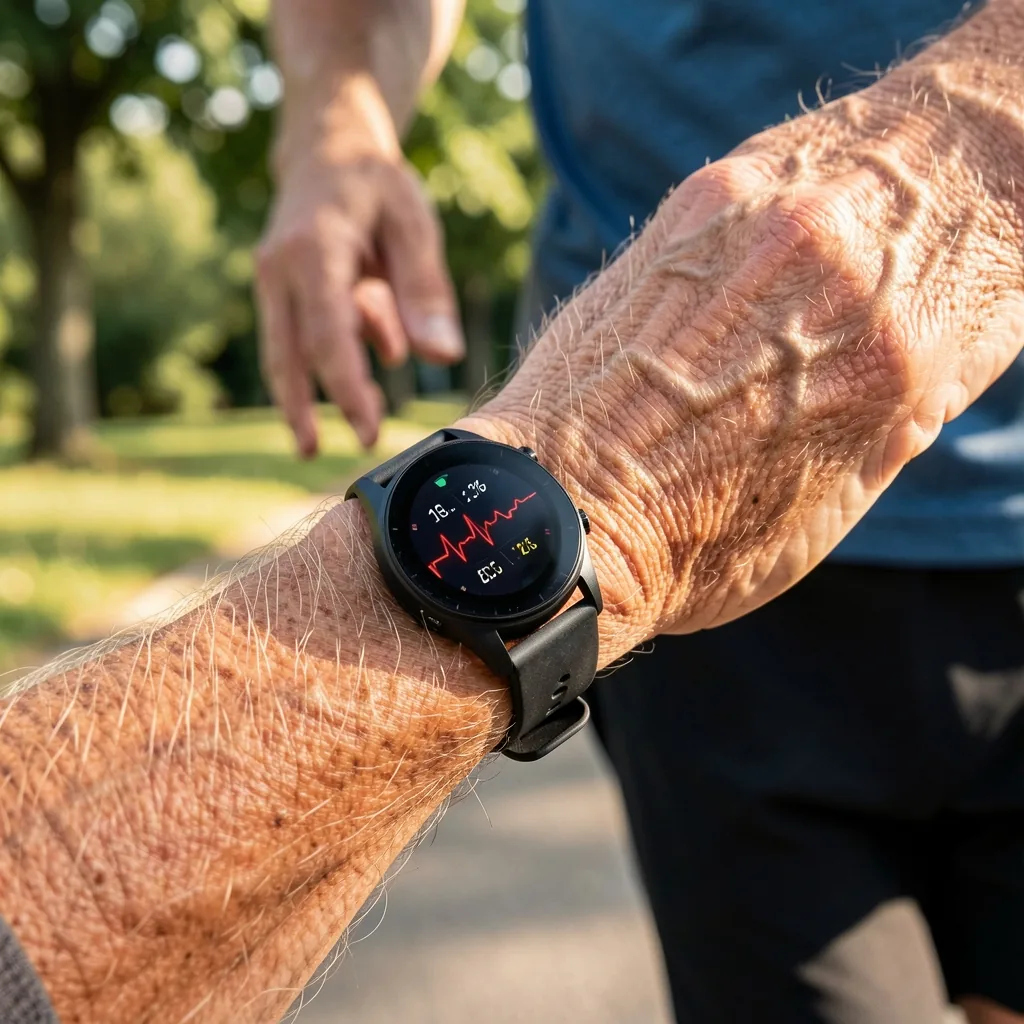
Real-time cardiac telemetry readout

Continuous Biometric Pacing

Transitioning from arbitrary perceived speed to precision physiological feedback through heart rate reserve and heart rate variability (HRV).

Explore Pacing Methods →
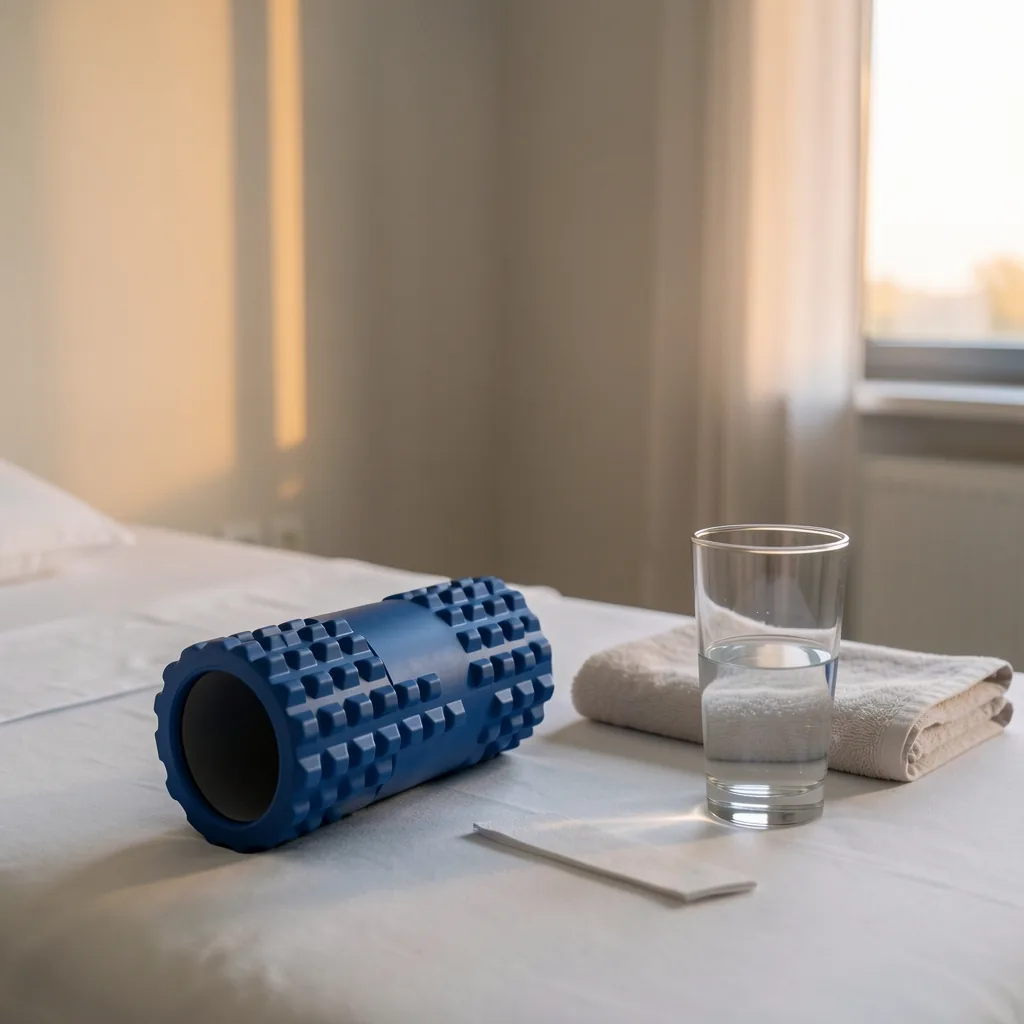
Physiological recovery protocols facility

Parasympathetic Restoration

Post-session vascular flushing, down-regulation breathwork, and thermal adaptation protocols to elevate sleep architecture and active longevity.

Institute Standards →
Interactive Analytical Engine

Work-Rest Recovery Matrix

Calibrate your training volume against autonomic nervous telemetry. Adjust your weekly volume, resting pulse, sleep profile, and perceived exertion to assess cardiovascular readiness and dynamic heart rate zones.

Physiological Parameter Inputs

Real-time Karvonen reserve & Acute-to-Chronic modeling
Deterministic Engine Active
9.5 hrs
52 bpm
7.8 hrs
6 / 10
68 ms
82%
High Adaptation Ready Parasympathetic tone confirmed
Acute:Chronic Ratio: 1.02 Sweet Spot

Calculated Training Heart Rate Zones

Zone Target Intensity Calculated Range
Zone 1 Active Recovery < 117 bpm
Zone 2 Aerobic Base (Foundation) 117 - 142 bpm
Zone 3 Tempo / Steady State 143 - 154 bpm
Zone 4 Lactate Threshold 155 - 167 bpm
Zone 5 VO2 Peak Output 168+ bpm

Directive: High-Volume Aerobic Foundation

Your cardiovascular system demonstrates low neural stress and superior cardiac reserve. Ideal window for 75–90 min Zone 2 stimulus or structured threshold cadence segments.

Core Science

Physiological Conditioning Architecture

Building athletic resilience demands more than isolated effort; it requires systematic synchronization of metabolic pathways, neuromuscular biomechanics, and active tissue regeneration.

Cardiovascular endurance road running
Cardio Stamina

Mitochondrial Capillarization

Prolonged, controlled sub-threshold training drives the formation of capillary networks around slow-twitch muscle fibers, dramatically accelerating metabolic clearance and oxygen utilization.

Explore Conditioning Track →


Biomechanical alignment and core mobility
Ergonomics

Postural Cadence Mechanics

Biomechanical efficiency minimizes wasteful ground contact time and joint shear forces. Systematic core conditioning stabilizes the pelvic girdle during repeated high-impact locomotion.

Read Biomechanics Data →
Physiological telemetry and research notebooks
Longevity

Vascular Elasticity & Vitality

Targeted aerobic intervals enhance arterial compliance, reducing resting systolic pressure and supporting lifelong cardiovascular vitality well into mature athletic years.

Learn Institute Protocols →
Parisian Research Desk

Verified Institutional Standards

Solace operates under strict research integrity and transparent European publication standards. Published by SOCIETE DE MONSIEUR BARBIER, our scientific council coordinates cardiovascular assessments, training analytics, and recovery guidelines.

Paris editorial research headquarters